China is a vast and ancient land, shaped by thousands of years of natural evolution and human civilization. From majestic imperial capitals to futuristic cities, from endless deserts to lush tropical beaches, every region offers a story worth discovering. Whether you’re a first-time visitor or a seasoned explorer, this guide to China’s six major regions will help you uncover the most unique travel experiences across the country. Each region has its own charm — rooted in its people, landscape, history, and cuisine — creating an endlessly fascinating travel destination.
1. North China: Cradle of Chinese Civilization
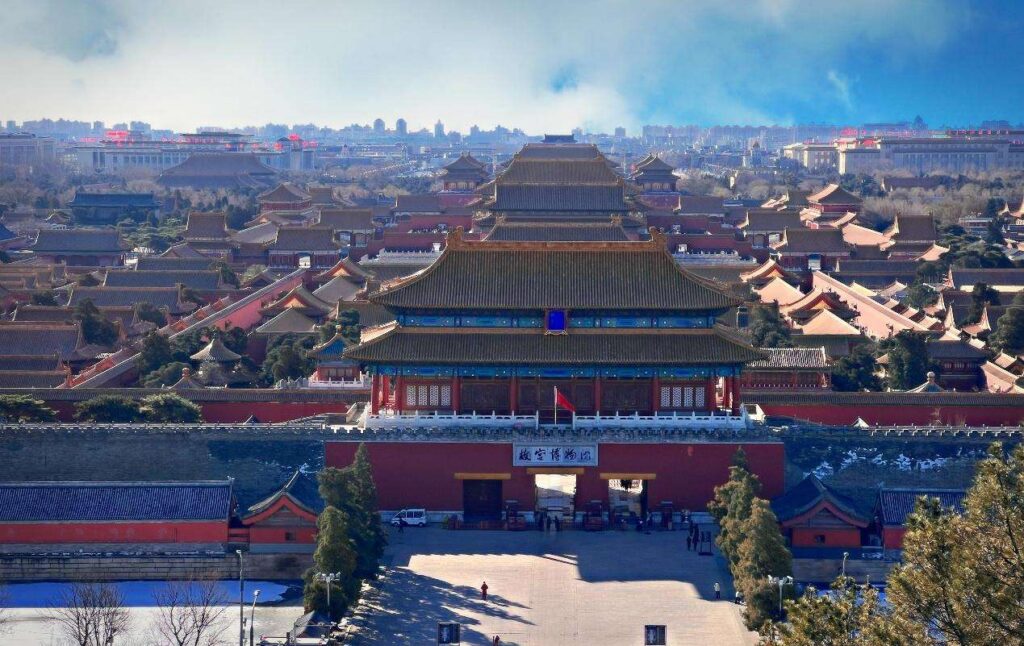
North China, covering Beijing, Tianjin, Hebei, Shanxi, and Inner Mongolia, is where dynasties rose and traditions took shape. This region is regarded as the political and cultural heart of China. Travelers will find a unique blend of imperial history, ancient philosophies, and deeply ingrained customs. Beijing, China’s capital, offers timeless wonders such as the Forbidden City, Summer Palace, Temple of Heaven, and the Great Wall — all UNESCO World Heritage Sites. Venture beyond the city into Hebei’s Bashang Grasslands or Inner Mongolia’s Hulunbuir for sprawling pastoral landscapes. Don’t forget to enjoy Peking duck, Tianjin’s steamed buns, donkey burgers, and roasted lamb — carb-rich and full of flavor, perfect for experiencing the essence of northern cuisine.
2. Northeast China: Winter Magic and Industrial Legacy
This region includes Liaoning, Jilin, and Heilongjiang, and is famed for its snowy winters, Manchu heritage, and early industrial development. In Harbin, the Ice and Snow Festival creates an enchanting frozen world of illuminated ice castles. In Changbai Mountain, hike to the crater lake surrounded by volcanic peaks. Culturally, this region offers a peek into the roots of the Qing Dynasty and Manchu traditions — with landmarks like the Shenyang Imperial Palace and ancient tombs. Try dishes such as stewed goose, ‘kill pig’ hot pot, and Korean-style cold noodles, all perfect for the chilly climate. Northeast China combines dramatic winter scenery with rich cultural textures, making it ideal for history buffs and winter adventurers alike.

3. East China: Where Tradition Meets Innovation
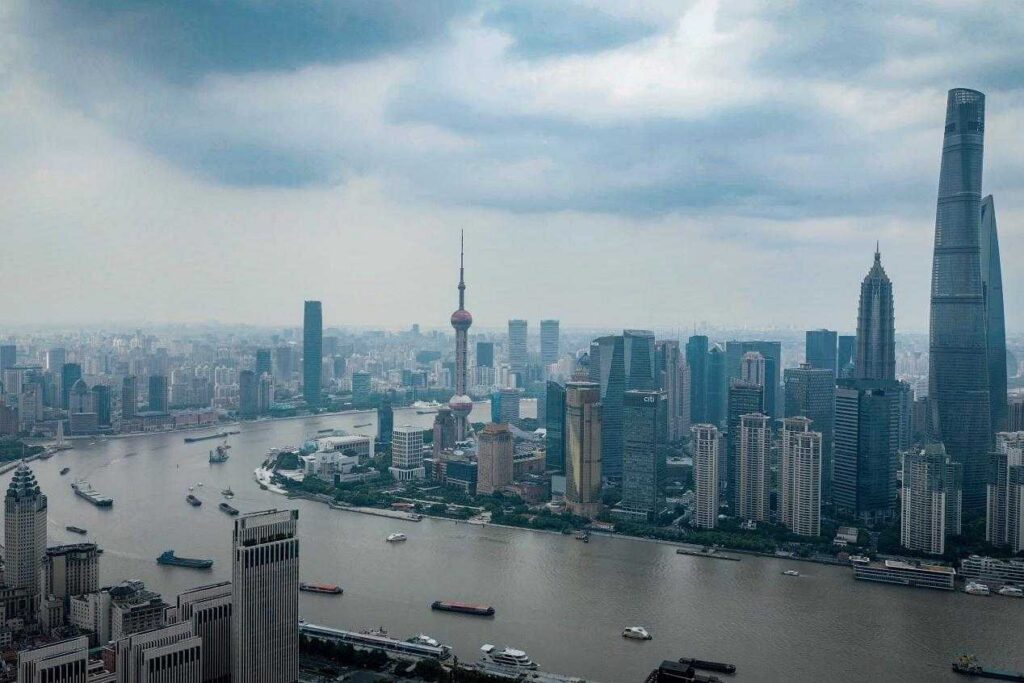
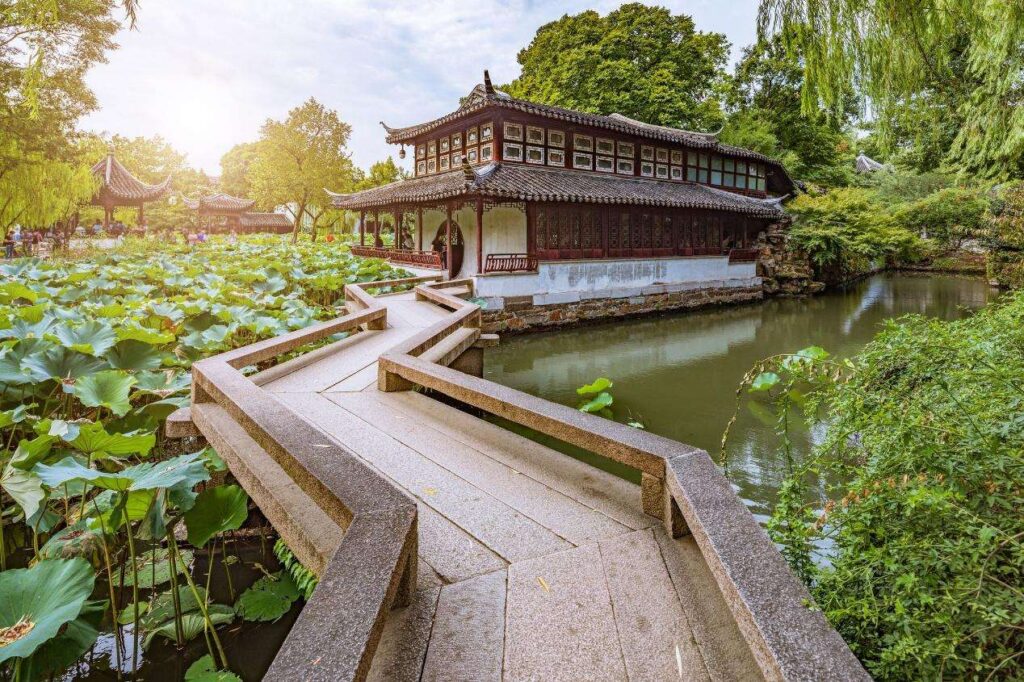
East China stretches from Shandong to Fujian and is one of the most economically and culturally vibrant regions in the country. Shanghai, a global metropolis, showcases both colonial-era architecture along the Bund and cutting-edge skyscrapers in Lujiazui. Nearby Suzhou is famed for its delicate classical gardens, while Hangzhou enchants visitors with its poetic West Lake and Longjing tea plantations. Further inland, Huangshan (Yellow Mountain) draws hikers and photographers with its granite peaks and mist-covered pines. Explore traditional Confucian culture in Qufu, and Hakka earth buildings in Fujian’s mountains. The region’s culinary diversity is unmatched — from Buddha Jumps Over the Wall to soup dumplings and Dongpo pork, East China is a feast for both the eyes and the palate.

4. Central-South China: Nature and Diversity in Balance
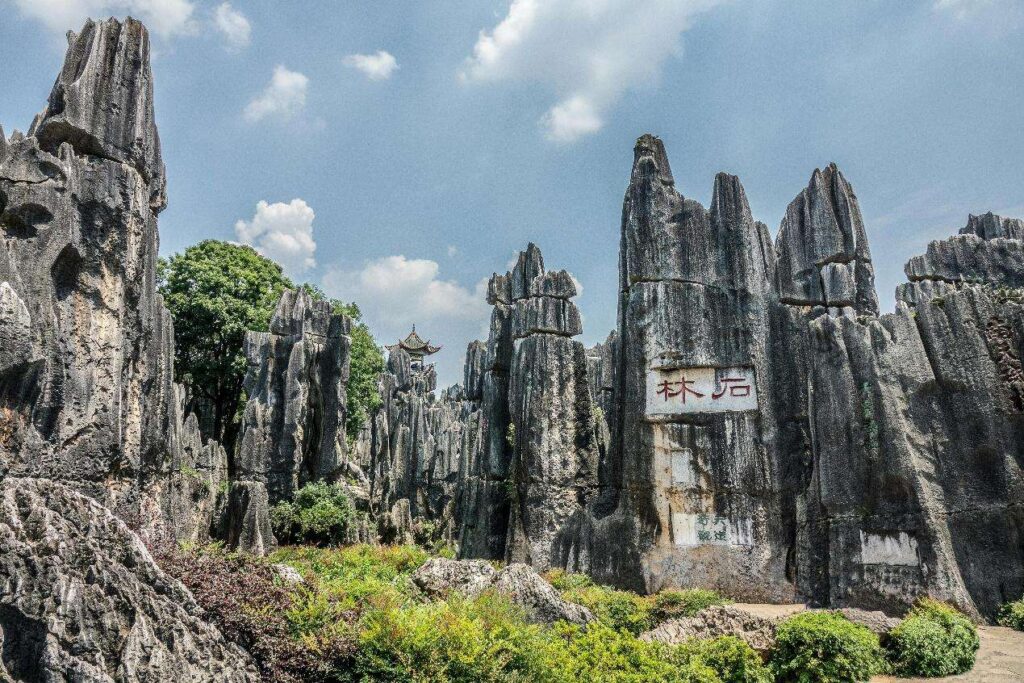
This region encompasses Henan, Hubei, Hunan, Guangdong, Guangxi, Hainan, Hong Kong, and Macau. It offers everything from sacred temples and lush karst mountains to tropical islands and futuristic skylines. In Zhangjiajie, walk among sky-high sandstone pillars that inspired the movie Avatar. Cruise the Li River in Guilin for fairy-tale landscapes, or explore Hainan’s white beaches. Spiritual seekers can visit Shaolin Temple — the birthplace of kung fu — or the mystical peaks of Wudang Mountain. In cities like Shenzhen, witness China’s meteoric rise in innovation. Food here is deeply diverse — try Cantonese dim sum, fiery Hunan cuisine, Hainanese chicken rice, and spicy hotpots in Chongqing.
5. Northwest China: Silk Road Legacy and Majestic Wilderness
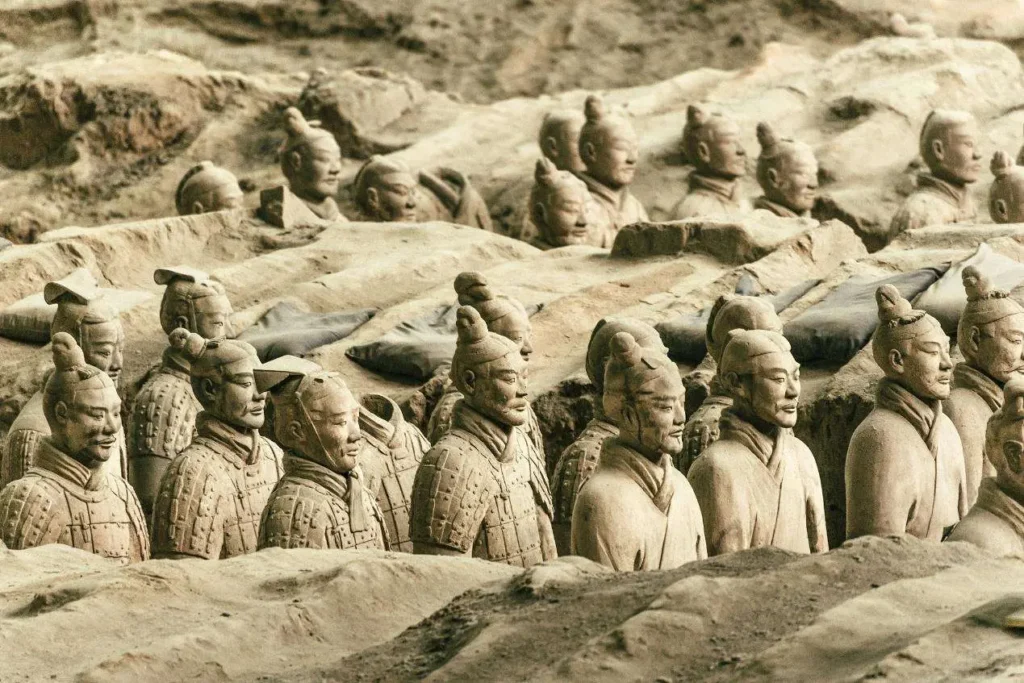
Northwest China spans Shaanxi, Gansu, Qinghai, Ningxia, and Xinjiang — a vast area where ancient civilizations and natural extremes coexist. Xi’an, once the starting point of the Silk Road and the capital of 13 dynasties, offers a historical treasure trove: Terracotta Warriors, ancient city walls, and Tang Dynasty temples. Head west to discover the Mogao Caves in Dunhuang, filled with intricate Buddhist murals. Hike along Qinghai Lake, China’s largest saltwater lake, or venture into the haunting beauty of the Taklamakan Desert. The region’s food is bold and hearty, featuring lamb, flatbreads, cumin spices, and pilaf, heavily influenced by Central Asian traditions. It’s a dream for travelers who crave both spiritual resonance and raw natural adventure.
6. Southwest China: Culture, Adventure, and Ethnic Harmony
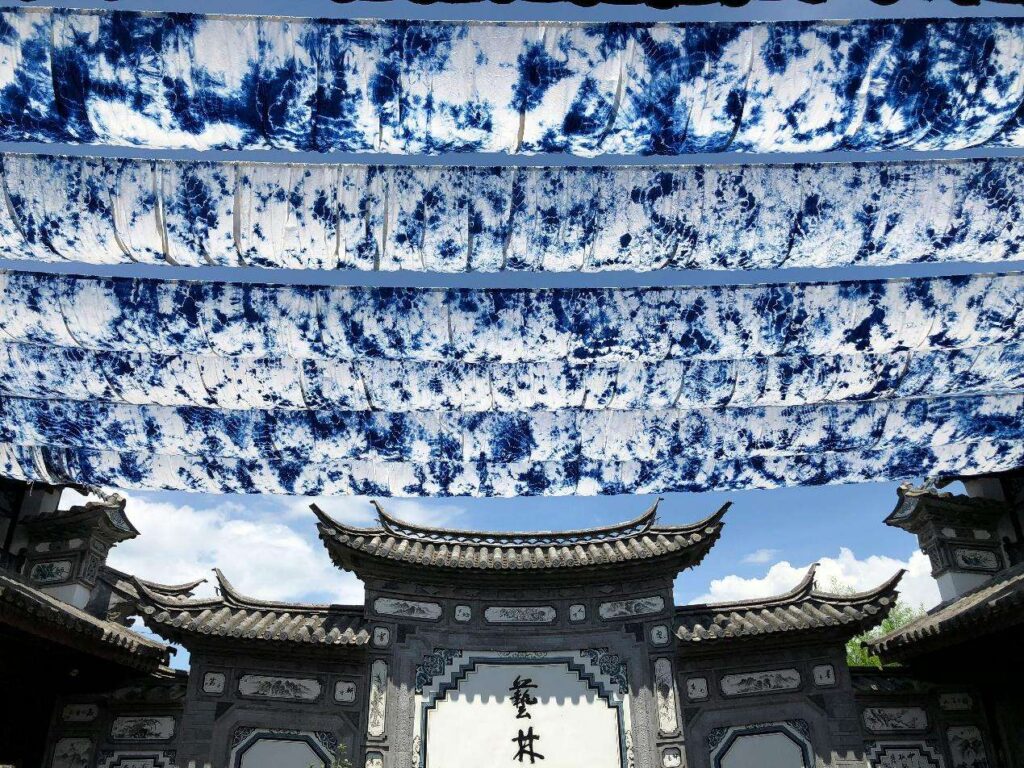
Covering Sichuan, Chongqing, Yunnan, Guizhou, and Tibet, Southwest China is a vibrant tapestry of ethnic diversity and geographic variety. Explore Jiuzhaigou’s turquoise lakes, the snow-capped peaks of Yading, or wander through the stone-paved streets of Lijiang and Shangri-La. In Tibet, the Potala Palace and sacred lakes offer moments of spiritual awe. The region’s climate ranges from subtropical to high plateau, ideal for hiking and eco-tourism. Southwest cuisine is famous for its intensity — whether it’s Sichuan’s pepper-laden hotpot, Guizhou’s tangy sour soup, or Tibetan yak butter tea and tsampa. Whether you’re trekking in remote mountains, learning traditional dance at a village festival, or sipping tea in a quiet courtyard, every experience here feels authentic and unforgettable.
Each of China’s six major regions presents a unique travel experience — from imperial cities and sacred mountains to ethnic cultures and gastronomic wonders. Whether your passion lies in history, nature, food, or culture, you’ll find it across these diverse landscapes. Ready to plan your next great adventure? Let these six regions guide your journey through the heart of China.