China’s modern cities can impress with their technological advancements, but finding authentic cultural experiences is oftentimes challenging.
Traditional art forms offer the perfect solution, integrating seamlessly into any China itinerary. Many hold places on UNESCO’s Representative List of the Intangible Cultural Heritage of Humanity, transforming ordinary sightseeing into genuine experiences of Chinese culture and history.
Here are the traditional art forms you need to experience in China.
Calligraphy: 3,000 Years of Written Poetry
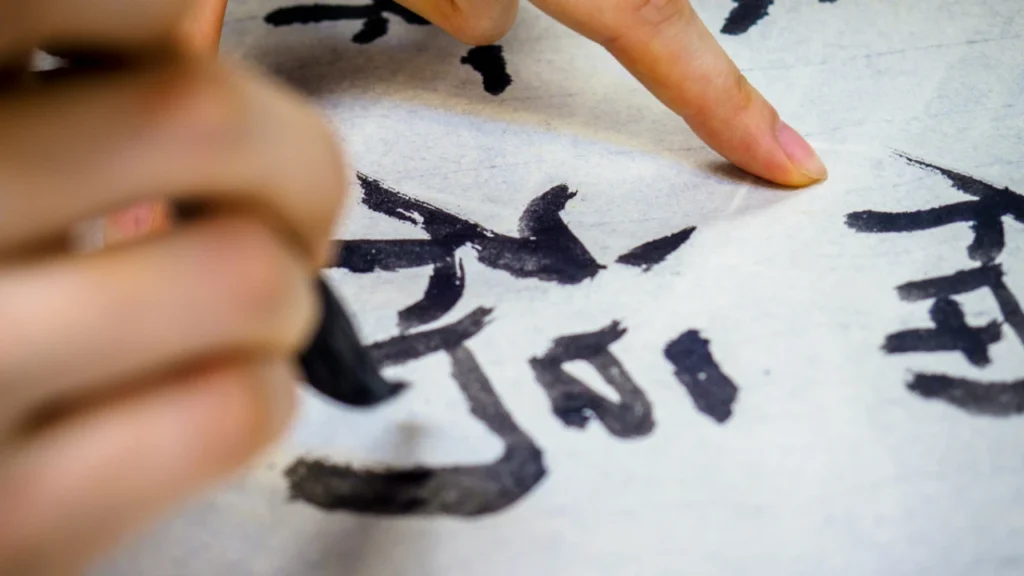
Chinese calligraphy turns writing into art, transforming what looks like impossibly complex characters into manageable strokes. This UNESCO-recognized tradition offers a unique introduction to Chinese characters, where seemingly intricate symbols break down into simple horizontal, vertical, and curved movements.
This art form can be found in major Chinese cities where masters guide your brush across rice paper. As you gradually find the rhythm, you gain appreciation for why Chinese culture treats calligraphy as both meditation and artistic expression.
Tea Ceremony: Ancient Artistry in Your Cup
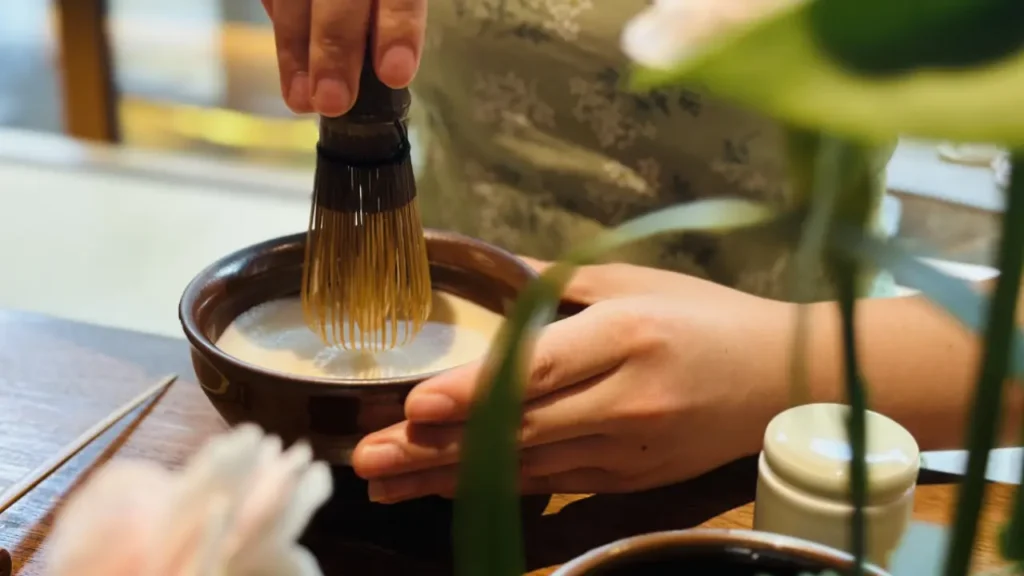
Traditional tea processing techniques across China earned UNESCO recognition. Out of the many techniques, tea whisking (diǎn chá 点茶) represents one of the most fascinating forms. This Song Dynasty practice transforms powdered tea into thick, creamy foam using bamboo tools—creating what locals call “snow milk cloud soup” (xuě rǔ yún tāng 雪乳云汤).
Beyond this, you can sample different Chinese tea varieties paired with light snacks to complement each tea’s distinct flavor.
Paper Cutting: Stories Through Scissors
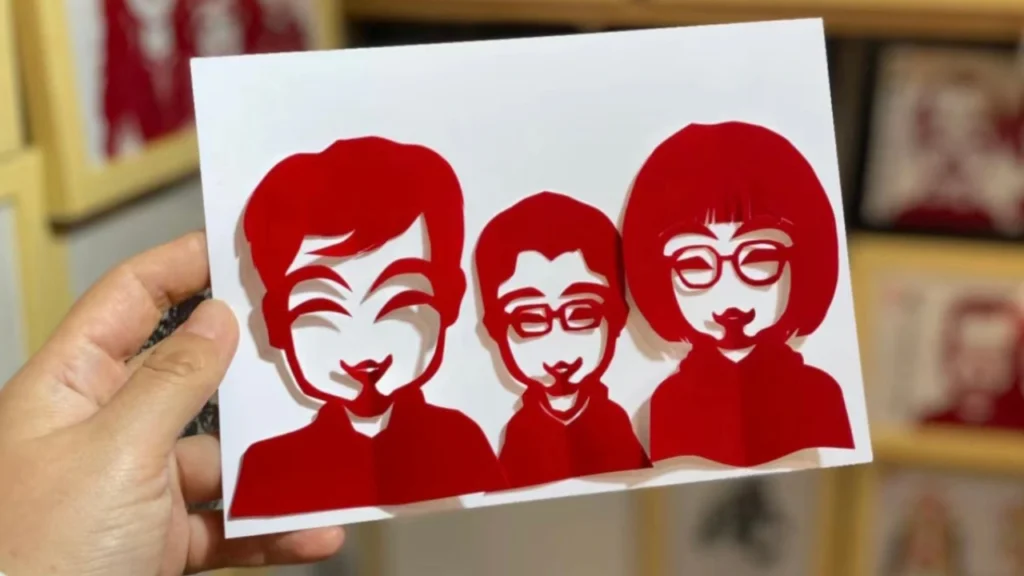
Paper cutting began with the Han Dynasty’s paper invention, earning UNESCO recognition as intangible cultural heritage. In northern China, locals call these creations “window flowers” (chuāng huā 窗花) since families traditionally decorated windows with intricate red paper designs—red being China’s lucky color.
Watch skilled artisans work without sketches to create zodiac animals or Chinese characters that carry profound meanings in the country’s culture. In many tourist areas, you’ll find these masters crafting personalized silhouettes of you and your companions—a unique Chinese souvenir to bring back home.
Shadow Puppetry: China’s Original Movies
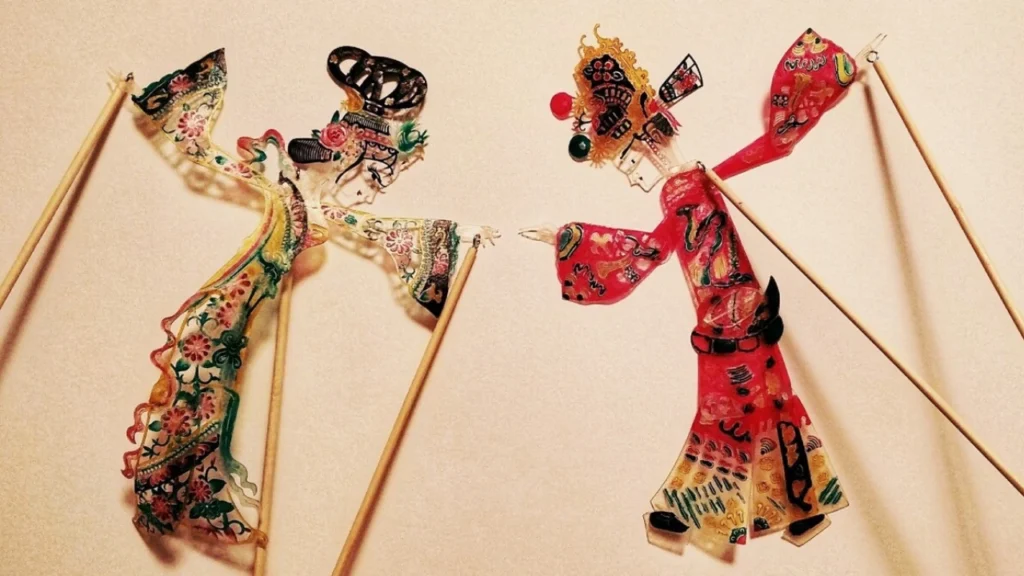
Shadow puppetry holds dual recognition—as UNESCO’s intangible cultural heritage and the world’s first motion picture. Han Dynasty storytellers brought epic tales to life using intricate leather or paper figures, accompanied by traditional opera singing and live music.
Each figure is crafted through delicate cutting techniques that create surprisingly fluid storytelling. While not easily found today, major cities still offer authentic experiences in cultural centers.
Travel tip: Shanghai’s Qibao Ancient Town features a shadow puppetry museum with performances on Sundays.
Chinese Painting: Capturing Spirit Over Form
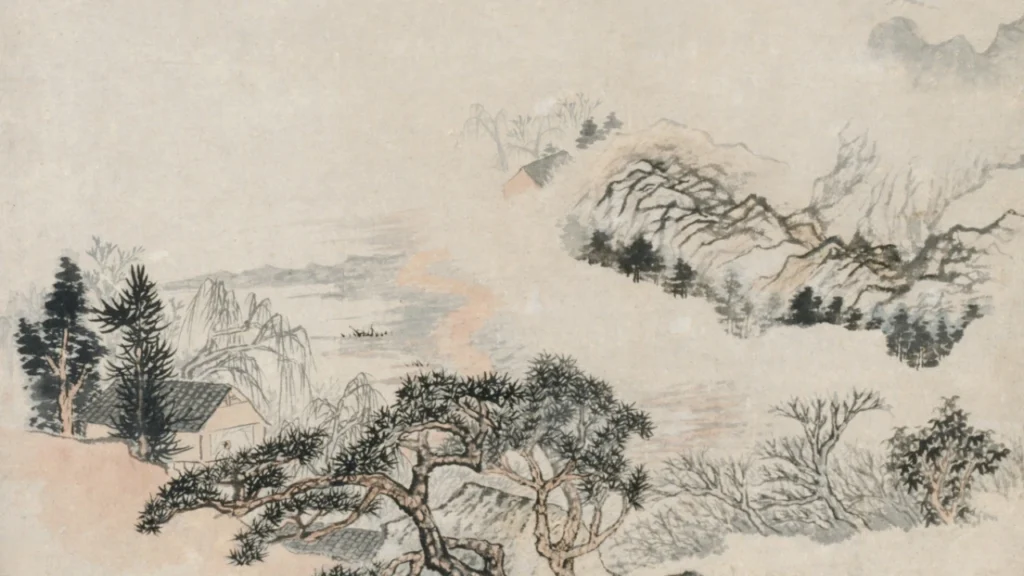
Chinese painting is closely linked to calligraphy, as both use the same traditional tools—brush, ink, and paper. This shared foundation allows artists to combine painting, poetry, and calligraphy into a single piece, a harmony known as the “Three Perfections” (sān jué 三绝).
Most paintings focus on mountains and landscapes, but what’s intriguing is how Chinese art focuses on capturing the subject’s spirit and essence over its exact appearance. Find such classical Chinese art across the country in temple halls, teahouses, and cultural centers.
Practical Guidance: Planning Your Cultural Journey
Getting started with China’s traditional arts doesn’t require extensive travel knowledge. Most of these experiences can be found around the country’s major cities.
Where to Go
Shanghai makes the perfect starting point for first-time visitors, offering authentic experiences across all these Chinese art forms. If tea culture particularly interests you, Suzhou and Hangzhou (40 and 60 minutes away from Shanghai by high-speed rail, respectively) are where many of China’s finest teas originate. You can find many traditional teahouses throughout the city.
Lastly, Beijing is another destination to consider, featuring calligraphy venues and traditional shadow puppetry theaters.
When to Visit
Most art forms run year-round, but certain seasons enhance specific experiences. Spring brings the finest green tea harvests in Hangzhou, making it ideal for tea experiences.
In addition, autumn’s comfortable weather creates perfect conditions for combining these experiences with general sightseeing. Most of these art forms can be experienced indoors, so timing depends more on your overall China travel plans than seasonal requirements.
Making These Experiences Your Own
Whether you’re planning your first China trip or these artistic heritages sparked fresh travel inspiration, they enhance any cultural exploration. Whether you’re already planning a trip or these traditions sparked new travel inspiration, they integrate naturally with sightseeing and cultural exploration.
While you can find these activities independently, having knowledgeable guides helps unlock cultural stories for deeper cultural understanding. If you want to experience Chinese art with expert explanations about their history and meaning, our Cultural Heritage Tour and Tea Ceremony Experience make it easy to dive deeper into China’s artistic heritage.