China’s e-commerce market isn’t just the largest in the world—it’s one of the most advanced. From blending social media, payments, and services into seamless experiences, China is shaping the future of how people buy and sell online.
For businesses, entrepreneurs, and professionals worldwide, understanding this landscape can spark fresh ideas and open doors to new market opportunities.
If you’re looking to innovate your own business model or explore cutting-edge marketing strategies, China’s digital ecosystem offers invaluable insights.
Why China Leads the Digital Commerce Race
Global e-commerce is expected to reach $5.89 trillion USD in revenue by 2029. China alone is projected to drive a significant share of that growth, contributing $1.86 trillion USD and growing at a CAGR of 7.62% between 2025 and 2029.
But what sets China apart isn’t just the numbers—it’s how the system works.
Inside China’s E-Commerce Infrastructure
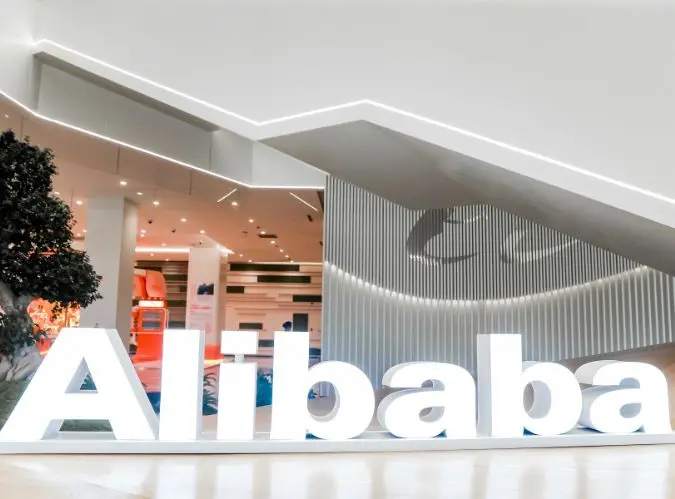
China’s digital ecosystem ranks among the most advanced globally. E-commerce platforms like Taobao and Tmall dominate C2C and B2C commerce, with Alipay seamlessly integrated into the checkout process—all operated under Alibaba.
On the other hand, JD.com has built a reputation for its fast, in-house logistics that reliably deliver across China with impressive speed.
The Power of Livestream Selling and Social Commerce
Layered on top of this is livestreaming, which has now become a mainstream shopping method. Platforms like Douyin (China’s TikTok counterpart) and Taobao leverage livestream selling to turn viewers into buyers by making the shopping journey feel personal, urgent, and entertaining.
When you see them up close, they reveal how much can be learned from China’s approach to e-commerce.
What You Can Learn from China’s E-commerce Model
Taking a deeper look into how e-commerce is done in China, here are some valuable insights that can inspire your marketing and digital strategy.
1. Simplify the Customer Journey
China’s platforms combine product discovery, engagement, purchase, and payment into one connected experience. This integration reduces friction and keeps shoppers connected, which helps boost conversion rates. Simplifying your customer’s path to purchase can improve engagement and sales.
2. Engage Audiences with Live Interaction
In China, Multi-Channel Networks (MCNs) work with Key Opinion Leaders (KOLs) to strengthen the connection between brands and their audiences. Through livestreaming, KOLs host product launches, Q&A sessions, and limited-time promotions that create urgency and authenticity. Incorporating interactive livestreams can humanize your brand and promote authentic engagement.
3. Build Trust through Social Commerce
Shopping in China is deeply social, with platforms like Xiaohongshu and Douyin supporting influencer endorsements, user-generated content, and peer reviews. Collaborating with influencers and encouraging authentic social sharing helps build trust that encourages purchase decisions.
These trends are emerging globally, but in China, they are already mature and deeply integrated. To fully grasp how these elements work together and inspire fresh ideas, it helps to see them in action.
Why Visiting China’s Consumer Tech Hubs Matters
China’s online marketplace may spark curiosity from afar. However, language barriers, cultural nuances, and lack of direct access make it difficult to understand how trends actually work.
Seeing it personally fills in the gaps and reveals insights that research alone can’t provide.
One of the most effective ways to gain that clarity is by experiencing China’s online consumer landscape firsthand. The Hangzhou E-Commerce Tour was designed to do just that.
Inside the Hangzhou E-Commerce Tour: What You’ll Experience
Taking place in Hangzhou—the heart of China’s online retail ecosystem and home to leading industry players—this journey goes beyond typical tours. It gives you direct access to the platforms, companies, and environments shaping the industry.
Here’s what you’ll take part in:
1. Keynote Speech
Hear from industry leaders who share unique perspectives and practical frameworks to apply in your own context—whether business, research, or education.
2. Alibaba Headquarters Tour
Explore one of the world’s most influential tech companies, where solutions to retail, AI, and finance are actively being developed. Explore their culture, history, and how they envision the future of e-commcerce.

3. MCN Agency Visits
Step inside the studios of MCN agencies for an inside view of China’s livestream-driven sales model. Learn how instant feedback from viewers can be leveraged to drive sales.
4. E-commerce Company Deep-Dives
Discover the strategies of brands from various industries (sports, jewelry, fashion, etc.) that are used in China’s fast-moving market.
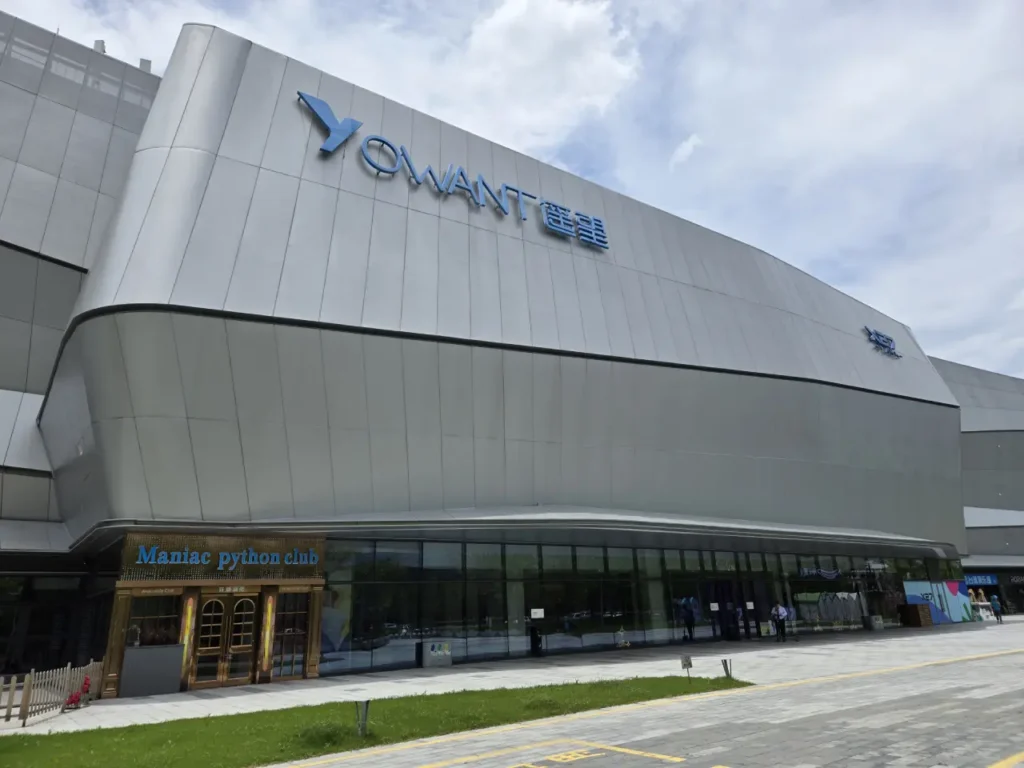
5. X27 Park Experience
Explore a 24/7 shopping center built entirely around livestream selling—and learn how it’s done in a physical retail setting.
6. Cultural Immersion
Enjoy Chinese culture with visits to Hangzhou’s iconic West Lake, Tai Chi sessions, and traditional performances.

By combining business and cultural immersion, the tour offers you the opportunity to learn directly from China’s digital transformation.
Who Should Join the Tour?
This tour is for professionals and educators seeking real-world exposure to the frontlines of digital commerce.
- Corporate Teams & Executives: Explore emerging trends and strategies that can inspire new market opportunities.
- Tech Enthusiasts & Practitioners: Gain practical insights into China’s advanced digital ecosystems.
- Educational Institutions & Summer Schools: Provide students with a global perspective through China’s leading online marketplace.
If you’re looking to deepen your understanding of where e-commerce is heading, the Hangzhou E-Commerce Tour offers a firsthand perspective on real-world applications in the industry.